



.svg)

You can still make contributions, but ensure other identifying details (name, DOB, super fund info) are correct. A TFN is not mandatory for payment, but is needed for accurate reporting and to avoid higher tax on contributions


Our products and services

We now help members invest in their health.
In partnership with our insurer MetLife, we're pleased to offer 360Health to all Hostplus members and their families.* It's a way to connect to a range of virtual health and wellbeing services at no extra cost.
*The term ‘family/families’ consists of a Hostplus member’s children, partner, parents, and parents in-law.
Advice and guidance

Try SuperSmart today
An interactive way to get financial education and tailored advice* online to help supercharge your future.
Exclusive to Hostplus members 24/7 via Member Online at no extra cost.
*Members with Term Allocated Pension, Lifetime Pension, Defined Benefit Pension, nil balances, non-standard investment options and some Maritime Contributory Accumulation members cannot access SuperSmart financial advice services.
Retirement
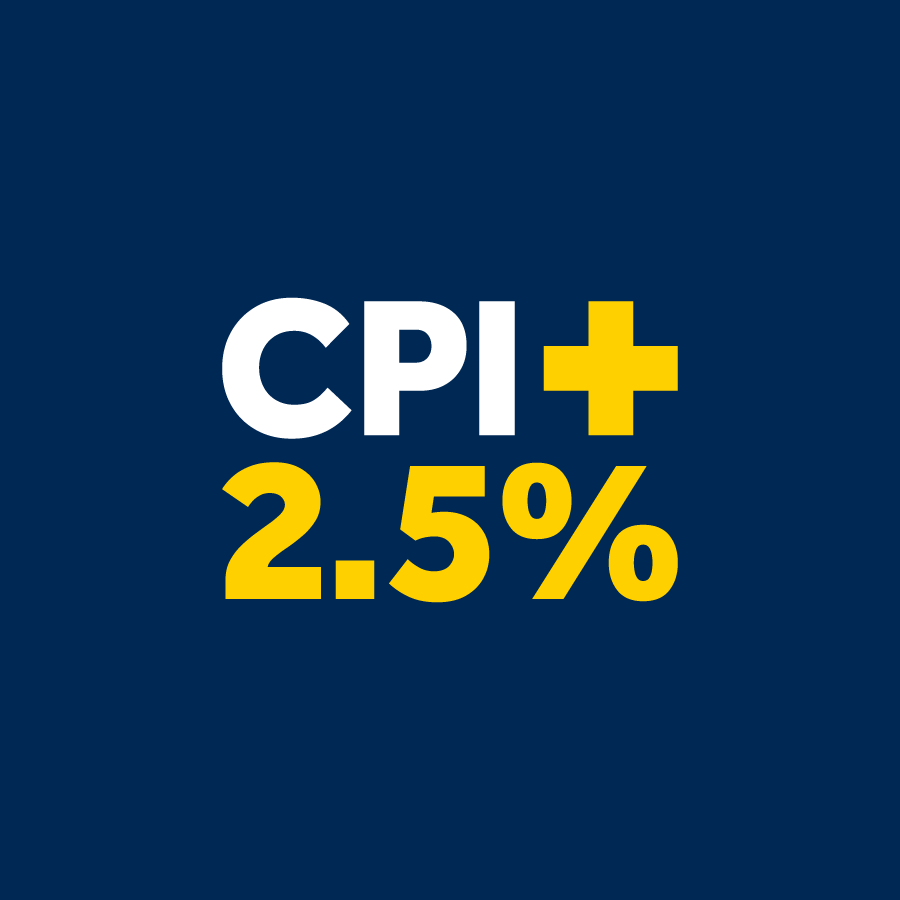
Retired and looking for more certainty over your returns?
Introducing CPIplus, a Pension investment option that aims to deliver a consistent and predetermined return above inflation each year.
Not available for Transition to Retirement Pensions. Though returns above inflation are predetermined annually, Hostplus can shorten the return period. Hostplus may also adjust the rate of return with at least 30 days’ notice.
Forms and resources

Protecting Your Retirement: The Warning Signs of High-Risk Schemes
Following the collapse of the First Guardian/ Shield schemes, Hostplus is urging members to familiarise themselves with the red flags to look out for when making decisions about your super. These include cold calling, pressure tactics, and exaggerated promises about high returns.
Why Hostplus
Retired and looking for more certainty over your returns?
Introducing CPIplus, a Pension investment option that aims to deliver a consistent and predetermined return above inflation each year.
Not available for Transition to Retirement Pensions. Though returns above inflation are predetermined annually, Hostplus can shorten the return period. Hostplus may also adjust the rate of return with at least 30 days’ notice.
Product and fees
Retired and looking for more certainty over your returns?
Introducing CPIplus, a Pension investment option that aims to deliver a consistent and predetermined return above inflation each year.
Not available for Transition to Retirement Pensions. Though returns above inflation are predetermined annually, Hostplus can shorten the return period. Hostplus may also adjust the rate of return with at least 30 days’ notice.
frequently asked questions - Payday Super
We’re here to help you stay informed and prepare for when Payday Super commences on 1 July 2026.
To support employers with the transition, we’ve collected some commonly asked questions.
Miscellaneous questions
Yes, if they are deemed employees for SG purposes (paid mainly for their labour), Payday Super applies.
Yes. If an employee changes funds, the first contribution to the new fund must be received within 20 business days of the QE day.
Payroll questions
Major providers like Xero, MYOB, KeyPay, Employment Hero, and Ascender have confirmed readiness for Payday Super. The ATO maintains a Product Register listing approved STP-enabled payroll software. Expect full integration lists closer to July 2026.
There are two options:
- Pre-payment method: Treat the excess as a pre-payment for future SG obligations (within 12 months).
- Refund from fund: Request a refund for “contribution in error” from the super fund (processing times will differ between funds).
No, the legislation does not include any exemption or adjustment to the concessional contributions cap.
If an employee exceeds their $32,500 cap, the excess contributions are taxed at their marginal rate. The ATO will notify them with options to either pay the additional tax or have the excess amount released from their super fund and returned to them. More information is available at ato.gov.au
Salary sacrifice contributions are included in QE and must be paid at the same time as SG contributions on payday.
Under new rules, super funds must allocate or return contributions within 3 business days (down from 20). Employers should allow time for clearing house processing within the 7-day window.
Technical questions
From 1 July 2026:
MSCB applies annually (expected $250,000 earnings cap).
Once reached, employers can stop SG contributions for the rest of the financial year.
Employees with multiple employers can apply for an SG exemption certificate to avoid excess contributions.
Defined benefit funds will need to comply with Payday Super. Employers must report QE and SG liability via STP and ensure correct fund identifiers (USI) for these arrangements.
The ATO will update SuperStream Contribution Standard v3.0 for Payday Super. Expect technical artefacts and sample files via the ATO Software Developers site, but no public CSV template has been released yet.
Employers must collect accurate super fund details at onboarding. A new Member Verification Request (MVR) via SuperStream will help confirm fund details before payment.
If you have any questions not answered here, please reach out to our Employer Services team for more information and keep an eye on our Payday Super landing
page for updates.